like

Tuesday, June 28, 2016

Plein Air Painting at Box Springs Mountain


I believe Plein Air Painting is a great way to discover the sides. Here I went to the Moreno Valley side of Box Springs Mountain in California.


Box Springs Mountain is said to have gotten its name during the 1880s. Teamsters with horse-drawn wagons would stop at a natural spring in an arroyo of the range to water their horses. A teamster surrounded it with a box to maintain water access, later giving the spring and range their names.
The letter "C" is embedded on the Riverside-facing side. The "Big C" was built in 1957, mostly by UC Riverside students. E.L. Yeager donated the materials for it. The "C" is approximately 1,500 feet above the UCR campus, and was the world's largest poured-concrete block letter, 132 feet high by 70 feet wide.
The letter "M" was embedded on the Moreno Valley side of the mountain in 1966 as a symbol of Moreno Valley High School which was then in the town of Sunnymead. The City of Moreno Valley was officially incorporated as a municipality on December 3, 1984 comprising Sunnymead, Edgemont and the little town of Moreno. The mountain with "M" were included on the new city logo.

Box Springs Mountain has large populations of snakes, lizards, coyotes, bobcats, mountain lions, bears, deer and burros, some of which wander into the populace below. There are several large eucalyptus trees that were planted at its base that originally marked sources of water.

More art from Davitaia please see on:  www.mirza-art.com

Saturday, June 11, 2016

Plein Air Painting in California

The terms California Impressionism and California Plein-Air Painting describes the large movement. of 20th century California artists who worked out of doors (en plein air), directly from nature in California, United States. Their work became popular in the San Francisco Bay Area and Southern California in the first three decades after the turn of the 20th century. 


Considered to be a regional variation on American Impressionism, the painters of the California Plein-Air School are also described as California Impressionists; the terms are used interchangeably. And this is my version of it. 


More on Davitaia's art please visit: www.mirza-art.com

Friday, May 6, 2016

Prince of India (aka: The Knight in the Panther's Skin)

Let me tell you a little bit about my latest graphic novel which I wrote and currently I am working on its artwork. 
The story is based on medieval poem written by Georgian poet Rustaveli. Because of its importance UNESCO announced year 2016 as the year of its memory. Throughout the centuries this poem has been translated into more than 40 languages, but this will be the first time the world will experience this wonderful story as a 300 page graphic novel.

The story offers a very unique perspective on the medieval oriental world. Values such as, gender equality, freedom of personal choice, religious tolerance and the role of the secular state are presented as an organic part of oriental society.

Taking place in the fictional settings of exotic India and Arabia, the poem is an epic, chivalric romance it explores about the friendship of two heroes, Avtandil and prince Tariel, and their quest to find the object of prince Tariel’s love, princess Nestan-Darejan. These idealized heroes and devoted friends are united by courtly love, generosity, sincerity, dedication, and proclaim equality between men and women, which is a recurring theme through the novel. 
By glorifying courtly love, the author strongly condemns forced marriages. The poem also expresses an admiration for women and demands for gender equality. This cult of woman celebrates her honor and freedom to choose her own husband. Princess Nestan is seen as the model of a noble woman who puts reason above passion. In equal rights, women can develop a sincere friendship with the opposite sex without love and desire and Asmat’s character is dedicated to prince Tariel. Consistent with its expressions of equality, tolerance and respect for individual rights, the poem also condemns slavery.

At its essence, the poem is an expression of joyful life. The success of the three heroes in the liberation of princess Nestan from captivity shows that justice can exist on the earth, and with enough courage and perseverance one can find happiness.  
Ten days ago I launched a Indiegogo campaign to get some support for this project, where backers can learn more about the story and among other rewards get my oil paintings for backing the project.
https://igg.me/at/princeofindia/x/14234658

Thursday, April 9, 2015

Eternal East

 “OH, East is East, and West is West, and never the twain shall meet,

Till Earth and Sky stand presently at God’s great Judgment Seat;

But there is neither East nor West, Border, nor Breed, nor Birth,
When two strong men stand face to face, tho’ they come from the ends of the earth!”

Rudyard Kipling


                                                                    Portrait by Van Gogh's shows his atelier with Japanese prints on the background .

The 19th century was a period when the East and West started communicating in new ways. The Paris World's Fair in 1878,1889 and in1900 allowed artists and intellectuals to become more familiar with oriental art and culture. If we look at trends in the art of this period, we will see how Japanese style graphic art had taken over the European way of painting, dominated by the Sfumato (soft transitions of light and shadows in the style from the time of the Italian Renaissance). Perhaps Van Gogh’s painting can be used as the best example of these transitions whose art changed drastically after he moved to Paris. Light, shade and space had become increasingly less important and he focused more on the bright color and contour, thereby becoming more and more like those Japanese images, which he collected and hung on the walls of his studio.                                                           


                                                                                                              After Rain. 2014. Oil on Canvas.

It happens like this: what you like, you observe for a long time and enjoy its esthetics, and ultimately whether you want it or not, at the end it is reflected in your art.

A year ago, some ideas had come into my mind from where I had no idea, and I then created a new series of paintings called Rain. These pictures have intrinsic variations yet they depict no representational form and there is no space between applied paint. Like a hand-woven carpet has plaited different colors, which do not blend with each other but, are applied next to each other. Only then when man looks from a distance they repute to be one whole. To put it in a nutshell the series looks just like a carpet.

Only recently I realized from where the Rain Series ideas derived….
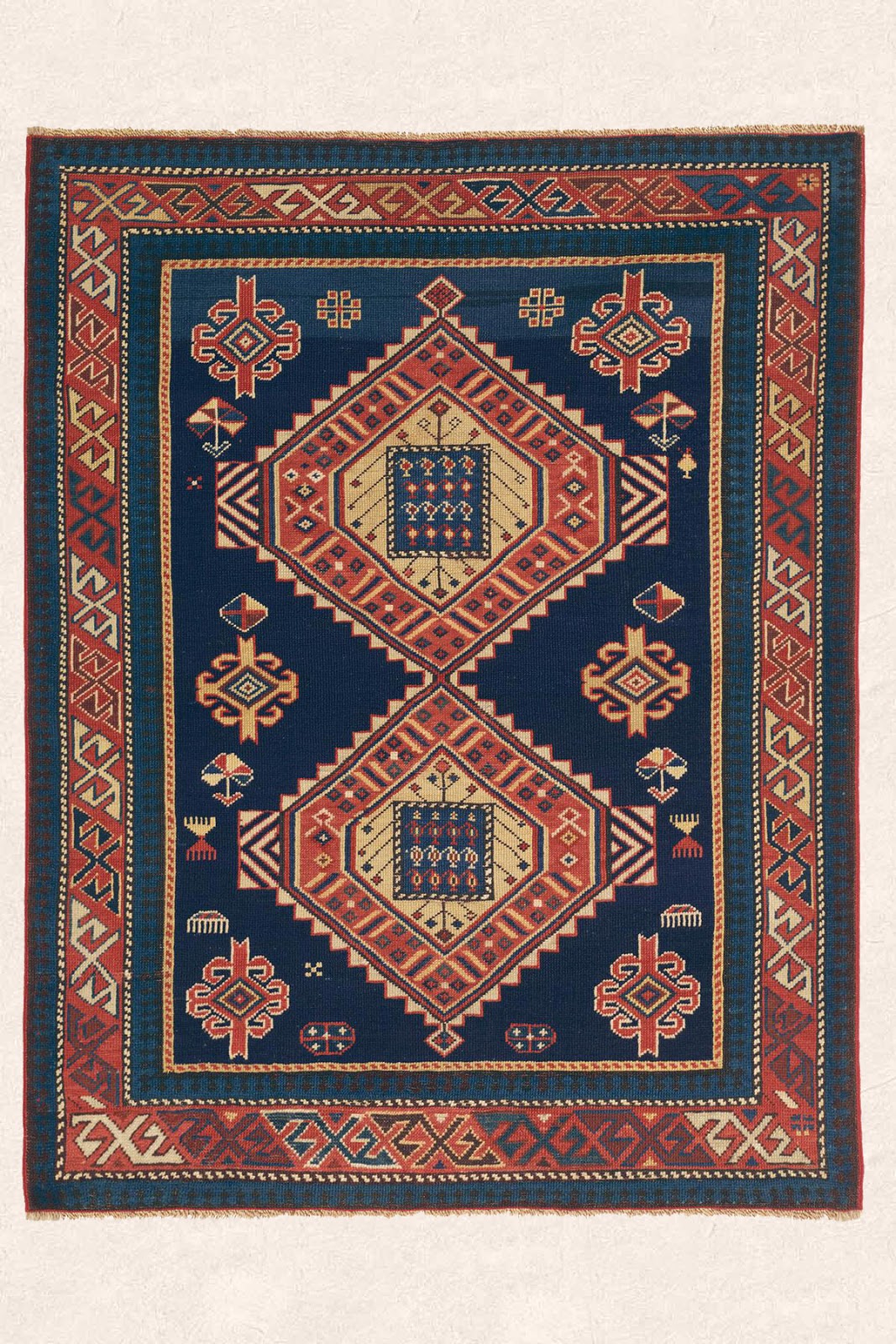

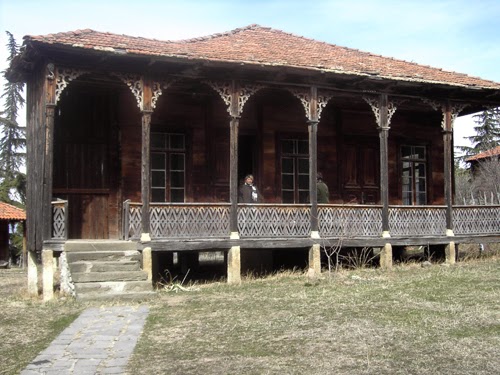
In my childhood I often spent summer holidays in the village at my grandmother, Olga Nadareishvili’s summer house. It was an old traditional wooden home. An identical representation of this style house is in the Ethnographic Museum of Tbilisi. By the way, the museum exponent was brought from the same village. In the room where I slept next to the bed on the wall - hung an old rug. It was beautiful. It had some strange shapes and colors of the ornaments that kidnaps a child's imagination and, takes him somewhere far away, to some fairy worlds.

As every child, I did not want to go to sleep early. I preferred to stay on the balcony listening to the adults, but who would allow this?! They forced me to bed and sleep. I had no other choice - I had to obey. I went to bed, turned to the wall and pretended that I slept. In fact I had eyes wide open looking at the rug, not because I wanted to watch it, but to show my grandmother that I was sleeping. Who knows how many hours I had spent watching it ...

Years passed and one day my grandmother sat me to her side and told me the story of how she had purchased the rug. It turns out that, in fact it was in Tbilisi during the Second World War period. She said that it was very expensive, but she liked it so much that she had to spend all the savings she had to acquire it. Anyway she did it. “I want to gift this rug to you and if you need money for some good purpose, only in this case you can sell it and use the money.” she said.
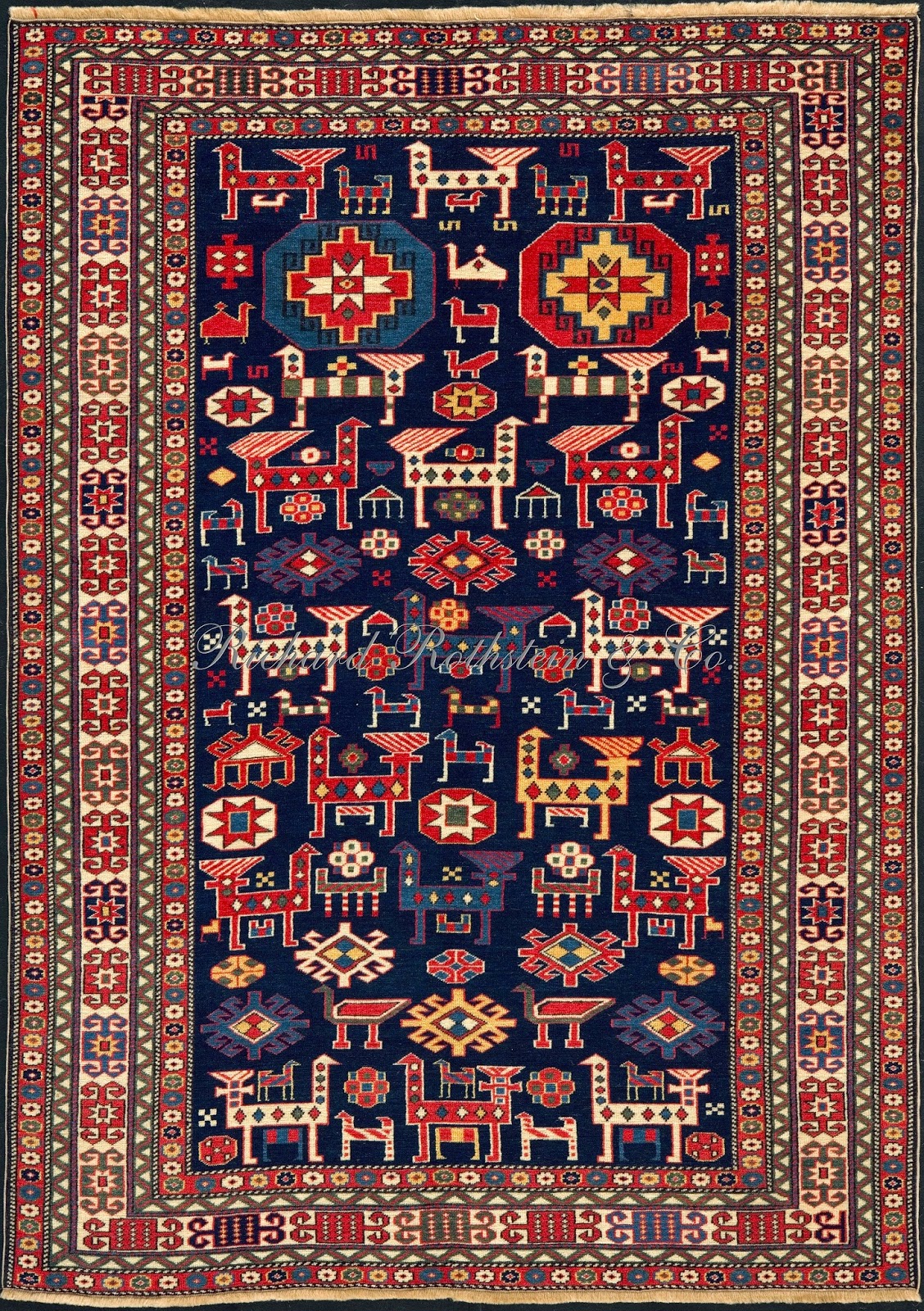


Some time after I had a very good purpose. In 1994 I decided to go to Germany to continue my art studies. So I was in need of money. I did some research about the price for the rug and just then, when a collector from Tel Aviv took a special flight to Tbilisi to buy it, I learned the real price and the cultural value of it. It turned out to be the old traditional Shirvan rug. Shirvan region is the southernmost part of Caucasus. The Shirvan region is in geographical proximity to Iran and thus was always subject to the great Persian cultural influence. This fact has lead to the development of a unique tradition, as it is a Shirvan rug. They combine Caucasian ornament and the art of Persian carpet knitting. The most mysterious pieces of those rugs are figures and shapes you see there. They reflect all those different cultures, which were passing through the Shirvan part of the Great Silk Road. Everything from Tibetan swastikas to Pictish stone curves from the British Islands. Confusing! – Man can ask: Britain, Tibet and the Caucasus? How can they come together? But the fact is that the East-West cultural dialogue existed much earlier then the Paris World's Fair and it made considerable artistic impact on both sides throughout history.

Here I am sitting in my studio in California, in the extreme west of our planet, looking at my paintings; which as it turns out were painted under influence of my grandmother’s Shirvan rug - or maybe under influence of The Eternal East!


Written by Mirza Davitaia www.mirza-art.com
Edited by Nicole Borgenicht


Friday, March 27, 2015

მარადიული აღმოსავლეთი

 "არის დასავლეთი და აღმოსავლეთი ნუ ფიქრობთ არიან ერთი,
სანამ ცა არსებობს ან მიწა ასეთი რომლებსაც დასცქერის ღმერთი,
მაგრამ მწამს ორივე უმალვე განდგება სხვაობაც ეშმაკმა იცის,
თუ ორი ვაჟკაცი პირისპირ დადგება საზღვარზე ცისა და მიწის." 

რუდიარდ კიპლინგი 1889.  თარგმანი კოტე ყუბანეიშვილის

                                                                        ვან გოგის მიერ მის სახელოსნოში შესრულებული პორტრეტი იაპონური სურათებით ფონაზე
მე-19 საუკუნე იყო პერიოდი როდესაც აღმოსავლეთმა და დასავლეთმა ერთმანეთთან დაახლოვება დაიწყო. პარიზის მსოფლიო გამოფენებმა 1878, 1889, 1900 წლებში მხატვრებსა და ინტელექტუალებს საშუალება მისცა უკეთ გასცნობოდნენ აღმოსავლურ ხელოვნებას. თუ ამ პერიოდის ხელოვნებაში მიმდინარე ტენდენციებს დავაკვირდებით ვნახავთ, როგორ უთმობს ევროპულ სახვით ხელოვნებაში იტალიური რენესანსის დროიდან გამეფებული სფუმატო (შუქ-ჩრდილის რბილი გადასვლები) ადგილს იაპონურ პლაკატურობას. ამ ტრანზიციის საუკეთესო მაგალითად ალბათ ვან გოგის ფერწერა გამოდგება. მხატვრის სურათები მისი პარიზში გადასახლების შემდეგ რადიკალურად იცვლება. შუქ-ჩრდილსა და სივრცეს სულ უფრო ნაკლები მნიშვნელობა ენიჭება და მთელი აქცენტი ნათელ ფერებსა და კონტურზე გადადის, რითაც სულ უფრო და უფრო ემსგავსება იმ იაპონურ სურათებს, რომლებსაც ის აგროვებდა და თავის სახელოსნოში კედლებზე კიდებდა.


                                                                                                                                          წვიმის შემდეგ. 2014. ზეთი ტილოზე.
ასე ხდება, რაც მოგწონს, დიდ ხანს აკვირდები, ტკბები მისი ესთეტიკით, და გინდა ეს თუ არა, საბოლოოდ, იგი ასახვას შენს ხელოვნებაშიც ჰპოვებს.

ერთი წლის წინ, არ ვიცი საიდან, თავში იდეები მომივიდა და ნახატების ახალი სერია შევქმენი-წვიმების სერია ჰქვია. ნახატები ბრტყელია, არავითარი სივრცე, არც ფორმები. ხელით ნაქსოვი ხალიჩასავით აქვს ჩაწნული სხვადახვა ფერები, რომლებიც ერთმანეთს არ ერევა. უბრალოდ ერთმანეთის გვერდიგვერდ არიან და შორიდან თუ შეხედავ, მხოლოდ მაშინ აღიქმებიან ერთ მთლიანობად. მოკლედ ხალიჩასავითაა.

ახლახან მივხვდი თუ საიდან მომივიდა თავში მათი ხატვის იდეა....

ჩემს ბავშვობაში საზაფხულო არდადეგებს ხშირად სოფელში ვატარებდი, ბებიაჩემის ოლღა ნადარეიშვილის სახლში. ძველი ტრადიციული ხის სახლი იყო. ზუსტად იმის ანალოგი, თბილისის ეთნოგრაფიულ მუზეუმში რომ დგას. სხვათა შორის მუზეუმშიც ჩვენი სოფლიდან ჩაუტანიათ. იმ ოთახში, სადაც მე მეძინა ხოლმე, ლოგინის გვერდით კედელზე ერთი ძველი ხალიჩა ეკიდა. ძალიან ლამაზი იყო. რაღაც უცნაური ფორმის ორნამენტები ჰქონდა და ფერებიც ისეთი იყო, ბავშვის ფანტაზიას რომ მოიტაცებს და, სადღაც, ზღაპრულ სამყაროში რომ წაიყვანს.                                                
როგორც ყველა ბავშვს, მეც არ მინდოდა ხოლმე ადრე                    დაძინება. აივანზე უფროსების მოსმენა მერჩივნა, მაგრამ ვინ მოგცემდა ამის ნებას. მაიძულებდნენ დავწოლილიყავი და დამეძინა. მეც სხვა რა გზა მქონდა, ვწვებოდი კედლისკენ, ანუ ხალიჩისკენ გადავბრუნდებოდი ხოლმე-ვითომ მეძინა. სინამდვილეში თვალები ფართოდ მქონდა გახელილი და ამ ხალიჩას ვუყურებდი, არა იმიტომ რომ ყოველთვის მისი ყურება მინდოდა, არამედ იმიტომ რომ თავი მძინარედ მომეჩვენებინა ბებიასთვის. ვინ იცის, რამდენი საათი მაქვს მის ყურებაში გატარებული...
 
გავიდა წლები... ერთხელ, ოლღა ბებიამ გვერდით დამისვა და ამ ხალიჩის შეძენის ამბავი მომიყვა. თურმე, თბილისში შეუძენია მეორე მსოფლიო ომის პერიოდში. მითხრა ძალიან ძვირი ღირდა, მაგრამ იმდენად მომეწონა, რაც დანაზოგი მქონდა, არ დავიშურე და მაინც ვიყიდეო. მინდა ეს ხალიჩა შენ გაჩუქო და რამე კარგ საქმეში თუ დაგჭირდა ფული, იმ შემთხვევაში გაყიდეო.

ეს კარგი საქმეც გამოჩნდა. 1994 წელს გერმანიაში სწავლის გასაგრძელებლად გადავწყვიტე წასვლა და ფული დამჭირდა. გავიკითხე რა გირს ეს ხალიჩა მეთქი და მხოლოდ მაშინ, როდესაც მის შესაძენად კოლექციონერი სპეციალურად თელავივიდან ჩამოფრინდა,გავიგე მისი ნამდვილი ფასიც და სახელოვნებო ღირებულებაც. ის ძველი ტრადიციული შირვანული ხალიჩა აღმოჩნდა. შირვანი კავკასიის უკიდურეს სამხრეთში მდებარე რეგიონია რომელიც ირანთან გეოგრაფიული სიახლოვის გამო, რა თქმა უნდა, სპარსული კულტურის დიდ გავლენასაც განიცდიდა ყოველთვის. ამ გარემოებამ ხელი შეუწყო ისეთი უნიკალური ტრადიციის განვითარებას, როგორიცაა შირვანული ხალიჩები. მათში თავს იყრის როგორც კავკასიური ორნამენტიკა, ასევე, სპარსული სალიჩის ქსოვის ხელოვნება. ყველაზე იდუმალებით მოცული ის ფიგურებია, რომლებსაც ამ ხალიჩებზე ნახავთ. მათში ყველა იმ კულტურის ანარეკლს დაინახავთ, რასაც აბრეშუმის გზის იმ მონაკვეთზე გაუვვლია რომელზეც შირვანის რეგიონი მდებარეობს, დაწყებული ტიბეტური სვასტიკებით, დამთავრებული ბრიტანეთის კუნძულების ძველი მოსახლეობის პიქტების მიერ ქვაში გამოთლილი ორნამენტებით. საიდან სადაო?! - იტყვის კაცი. სად ბრიტანეთი, ტიბეტი და სად კავკასიაო?! მაგრამ ფაქტია, რომ აღმოსავლეთისა და დასავლეთის კულტურათა დიალოგი პარიზის მსოფლიო გამოფენაზე გაცილებით ადრე უარსებია და საკმაო გავლენაც მოუხდენიათ ერთმანეთზე.
აი, ახლა, ვზივარ ჩემს სახელოსნოში, ჩვენი პლანეტის უკიდეურეს დასავლეთში, კალიფორნიაში და ვუყურებ ჩემს ნახატებს, რომლებიც როგორც აღმოჩდა, შირვანული გავლენით დამიხატავს! აი, ასეთია მარადიული აღმოსავლეთი! 

მირზა (პაპუნა) დავითაია 

LIKE OUR FACEBOOK PAGE